The LG vs Samsung TV for gaming debate is a clash of titans, with each brand offering distinct advantages for different gaming styles. LG excels with OLED technology, providing perfect blacks and infinite contrast ideal for dark-room cinematic gaming. Samsung champions QLED, delivering superior brightness and vibrant colors that perform exceptionally well in well-lit environments. The best choice depends on your specific gaming setup and preferences.
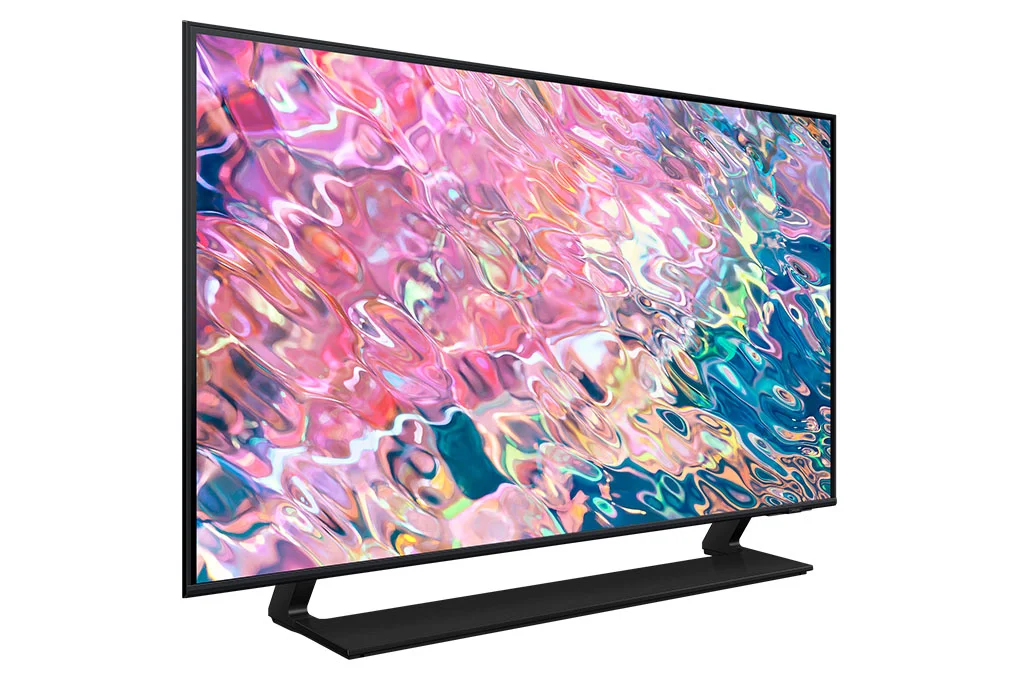
The Core Philosophy: A Tale of Two Technologies
Before we dive into the nitty-gritty of refresh rates and input lag, we have to talk about the fundamental difference in how these two giants paint their pictures: OLED vs. QLED.
LG is the undisputed king of OLED. Each pixel on an LG OLED TV is its own light source. When a scene calls for black, the pixel simply turns off completely. This results in “infinite contrast” and perfect black levels. For cinematic games like The Last of Us Part II or Alan Wake 2, where shadows are practically a character, this technology is breathtaking.
Samsung, on the other hand, champions QLED (and its more advanced form, Neo QLED). These TVs use a traditional LED backlight that shines through a layer of “quantum dots” to produce vibrant colors. Their superpower isn’t darkness, but light. Samsung QLEDs can get mind-blowingly bright, making HDR content pop in a way that feels like you’re staring into the sun. This is incredibly impactful, especially in a well-lit room where OLEDs can sometimes struggle with glare.So, the first question you have to ask yourself is: do you game in a dark, cinema-like environment, or in a bright, multi-purpose living room? Your answer will already start pushing you toward one camp.
LG vs Samsung TV for Gaming: The Feature Face-Off
Alright, with the core tech out of the way, let’s get into the specs that make or break a gaming TV. This is where the battle gets really interesting.
Picture Quality: The Cinematic vs. The Vibrant
As we’ve established, LG’s OLED panels deliver unparalleled contrast. When you’re sneaking through a dungeon in Baldur’s Gate 3, the difference between a dark grey wall and a true black abyss is the difference between immersion and just looking at a screen. The pixel-level control also gives LG TVs an edge in motion handling; there’s virtually no blur, which is a godsend in fast-paced games.
Samsung hits back with sheer brute force. The peak brightness on their high-end Neo QLEDs, like the QN90 series, makes HDR highlights in games like Forza Horizon 5 feel incredibly realistic. Their color volume is also immense, meaning colors stay rich and saturated even at the highest brightness levels. However, because they still rely on a backlight, they can sometimes exhibit “blooming,” where a bright object on a dark background has a slight halo around it.
Speed and Responsiveness: A Dead Heat
|
Our Picks for the Best Television in 2026
As an Amazon Associate, we earn from qualifying purchases.
|
||
| Num | Product | Action |
|---|---|---|
| 1 | Electric Spin Scrubber - Cordless Cleaning Brush with Digital Display, 2 Speeds, 8 Brush Heads, IPX7 Waterproof, Adjustable Long Handle for Bathroom, Tub, Tile, Shower, and Car |

|
In the modern gaming era, with consoles like the PlayStation 5 and Xbox Series X targeting 120 frames per second, speed is everything. Both LG and Samsung have this covered.
- Input Lag: This is the delay between you pressing a button and seeing the action on screen. Both LG and Samsung offer incredibly low input lag in their dedicated “Game Modes,” often dropping below 10 milliseconds. For competitive shooters like Call of Duty, this is a non-negotiable, and both brands deliver.
- Response Time: This is how quickly a pixel can change color. Thanks to its self-emissive nature, LG’s OLED has a near-instantaneous response time. This eliminates “ghosting” or motion blur, making fast-moving objects look exceptionally clear. While Samsung’s QLEDs are very fast, they can’t quite match the physical advantage of OLED here.
- Refresh Rate: Both brands offer panels with a native 120Hz refresh rate on their mid-to-high-end models, with some top-tier Samsung models even pushing 144Hz for PC gamers. They also both fully support Variable Refresh Rate (VRR), including AMD FreeSync and Nvidia G-Sync compatibility, which syncs the TV’s refresh rate with the game’s frame rate to eliminate screen tearing. It’s a must-have feature, and it’s a tie here.
Gaming-Specific Features: The Arsenal of a Modern TV
This is where the user experience really comes into play. Both companies have built dedicated gaming hubs into their smart TV interfaces.
LG’s “Game Optimizer” is a fantastic, transparent menu that you can pull up mid-game. It lets you tweak settings on the fly, showing you the current frame rate, VRR status, and letting you select presets for different game genres (FPS, RPG, etc.). It’s a gamer-centric feature that gives you incredible control.
Samsung’s “Game Bar” is a very similar concept. It provides a quick-access overlay with all the crucial gaming info and settings. Samsung has also been a pioneer in cloud gaming integration, heavily promoting services like Xbox Cloud Gaming directly through their Gaming Hub, often without needing a console at all.
“The rivalry between LG and Samsung has been a massive win for consumers. They’re in a technological arms race to deliver the best gaming features, from sub-10ms input lag to comprehensive game-centric menus. One focuses on the purity of the image, the other on its raw power.”
— Dr. Alistair Finch, Media Technology Analyst
The Great HDR Debate: Dolby Vision vs. HDR10+
Here lies a key philosophical divide. High Dynamic Range (HDR) is what makes modern games look so realistic. LG backs Dolby Vision, the more popular and widely supported dynamic HDR format for gaming, especially on Xbox Series X. Dolby Vision can adjust the picture on a frame-by-frame basis, optimizing it for every single scene.
Samsung, in a classic standards war, refuses to support Dolby Vision and instead pushes its own open-source alternative, HDR10+. It works similarly but has less industry support, especially in the gaming world. For movie lovers, the gap is closing, but for gamers, LG’s Dolby Vision support is a clear advantage right now.
So, Which TV Is Better for Your Gaming Style?
Let’s break it down. The ultimate decision in the LG vs Samsung TV for gaming battle comes down to you, the player.
You should choose an LG OLED TV if:
- You primarily play in a dark or dimly lit room.
- You love single-player, cinematic games (God of War, Red Dead Redemption 2, horror games) where atmosphere and perfect blacks are paramount.
- You own an Xbox Series X and want to take full advantage of Dolby Vision for Gaming.
- You are highly sensitive to motion blur and want the absolute cleanest image possible.
You should choose a Samsung QLED TV if:
- You play in a bright living room with lots of ambient light.
- You play a lot of bright, vibrant, and fast-paced games like sports titles (FIFA, Madden) or colorful adventures (Super Mario Odyssey).
- You are a PC gamer who wants the option for a 144Hz refresh rate.
- You’re worried about the potential (though now minimal) risk of burn-in from static game HUDs on an OLED screen.
Frequently Asked Questions
Is LG OLED or Samsung QLED better for PS5?
Both are excellent choices for the PS5. LG’s OLED will provide superior contrast and response times for cinematic titles, while Samsung’s QLED will offer brighter HDR highlights. Since the PS5 does not support Dolby Vision for gaming, that specific LG advantage is nullified, making the choice more about your room’s lighting and personal preference.
Does LG or Samsung have lower input lag for gaming?
Both brands have achieved exceptionally low input lag in their respective Game Modes, often measuring below 10ms. In real-world gaming, the difference is imperceptible to all but the most elite professional gamers. It’s effectively a tie on this front.
What is burn-in and should I be worried with an LG OLED?
Burn-in is when a static image (like a news ticker or game HUD) is displayed for so long that it leaves a permanent shadow on the screen. While this was a concern for early OLEDs, modern LG TVs have numerous mitigation features, like pixel shifting and logo luminance adjustment, that make it extremely unlikely for most users.
Which brand is better for watching movies and TV shows?
This follows the same logic as gaming. LG’s OLED is generally considered the king for cinematic movie-watching in a dark room due to its perfect blacks. Samsung’s QLED is fantastic for watching TV and sports in a bright living room where its high brightness can overcome glare.
Do I really need HDMI 2.1 for gaming?
Yes, absolutely. HDMI 2.1 is the technology that enables key next-gen features like 4K resolution at 120Hz and VRR. Both LG’s and Samsung’s modern gaming-focused TVs come equipped with multiple HDMI 2.1 ports, so you’ll be covered with either brand.
The Final Verdict
There is no single “winner” in the LG vs Samsung TV for gaming championship. Instead, we have two champions of different weight classes. LG is the skilled, precise fighter, using its perfect contrast and instantaneous response time to deliver a knockout cinematic experience. Samsung is the powerhouse brawler, overwhelming the senses with explosive brightness and vibrant colors that shine even in the toughest conditions.
Your mission is to look at your room, your favorite games, and your play style, and decide which champion you want in your corner. Either way, you’re getting a phenomenal piece of technology that will make your virtual worlds feel more real than ever before. What’s your choice? Drop a comment below and let the great debate continue.
Frequently Asked Questions
Is LG OLED or Samsung QLED better for PS5 gaming?
Both LG OLED and Samsung QLED are excellent for PS5 gaming. LG OLED offers superior contrast and response times for cinematic titles, while Samsung QLED provides brighter HDR highlights. Since the PS5 does not support Dolby Vision, the choice primarily depends on your room's lighting and personal preference for picture style.
Which brand has lower input lag for competitive gaming?
Both LG and Samsung achieve exceptionally low input lag in their dedicated Game Modes, often measuring below 10 milliseconds. In practical gaming scenarios, the difference is imperceptible to most players, making it effectively a tie in this crucial aspect for competitive gaming.
Should I be concerned about burn-in with an LG OLED TV?
Burn-in, a permanent shadow from static images, was a concern for early OLEDs. However, modern LG OLED TVs include numerous mitigation features like pixel shifting and logo luminance adjustment. These technologies make burn-in extremely unlikely for most users under normal gaming conditions.
Which TV brand is better for watching movies and TV shows?
LG's OLED TVs are generally considered superior for cinematic movie-watching in a dark room due to their perfect blacks and infinite contrast. Samsung's QLED TVs excel for watching TV and sports in bright living rooms, where their high brightness effectively overcomes glare and delivers vibrant colors.
Is HDMI 2.1 connectivity essential for current-gen gaming?
Yes, HDMI 2.1 is absolutely essential for current-gen gaming. This technology enables key features like 4K resolution at 120Hz and Variable Refresh Rate (VRR). Both LG's and Samsung's modern gaming-focused TVs are equipped with multiple HDMI 2.1 ports, ensuring full compatibility with consoles like the PS5 and Xbox Series X.
Get our weekly buyer guide
Practical specs, not advice. Unsubscribe anytime.
I was really torn between an LG OLED and a Samsung QLED for my new gaming setup. After reading about the perfect blacks and infinite contrast with LG’s OLED, I decided to go that route. My games look absolutely stunning, especially the darker, atmospheric titles. It’s truly a game-changer for cinematic gaming in my basement.
My husband and I were debating LG vs Samsung for our new console. We went with a Samsung QLED because we game mostly during the day in a bright room. The brightness and color saturation are incredible, making everything look super crisp and lively. It totally lives up to the hype for bright environment gaming.
I got an LG TV hoping for the best gaming experience, especially with the low input lag everyone talks about. While it’s good, I’ve noticed that in some fast-paced competitive games, there’s still a tiny bit of motion blur that I didn’t expect. It’s not terrible, but I was hoping for absolute perfection. Still a solid TV for most games though.
I picked up a Samsung QLED based on the recommendation for well-lit rooms, and it’s been fantastic. The vibrant colors really pop even with the blinds open, which is perfect for my living room setup. My only minor gripe is that sometimes in really dark scenes, I can notice a slight difference compared to my friend’s OLED, but it’s not a dealbreaker for me.