Ever settle in for a tense, dimly lit scene in Ozark only to be distracted by a smudge that looks suspiciously like your nephew’s fingerprint? Or perhaps you’re trying to appreciate the stunning, vibrant color palette of The Grand Budapest Hotel, but a layer of dust is muting the whole masterpiece. Learning How To Clean A Tv Screen properly isn’t just about housekeeping; it’s about preserving the sanctity of the cinematic experience. It’s the final, crucial step in curating the perfect viewing environment, ensuring nothing stands between you and the story.
Think of your TV screen as a portal. It’s the canvas on which directors like David Fincher paint with shadows and light. A dirty screen is like a crack in that portal—a constant, nagging reminder of the real world that pulls you out of the meticulously crafted one you’re trying to enter. We’re here to make sure that never happens again. This isn’t just a cleaning guide; it’s a ritual for respecting the art form we love.
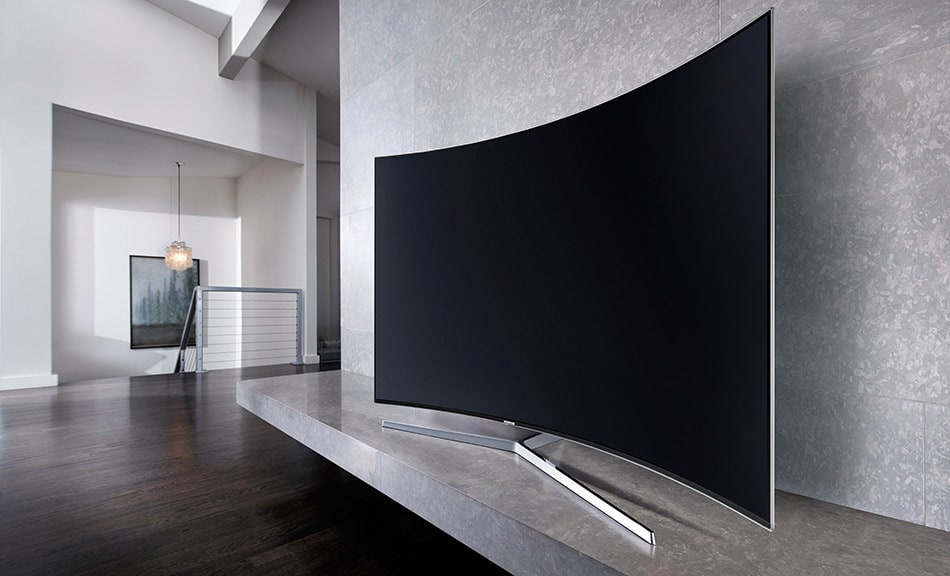
Why a Flawless Screen is Non-Negotiable for True Fans
Before we get to the “how,” let’s talk about the “why.” Modern televisions, especially OLED and QLED models, are marvels of engineering. They’re designed to produce perfect blacks, staggering contrast ratios, and a spectrum of colors that would make a rainbow jealous. Every speck of dust, every greasy smear, fundamentally compromises that technology.
These imperfections do more than just block a few pixels. They catch light, creating distracting glares that can completely wash out the subtle details in a dark scene. Imagine watching the Battle of Winterfell from Game of Thrones—a sequence already notorious for its darkness—with a hazy film of grime on your screen. You wouldn’t just miss a few details; you might miss the entire battle. A clean screen ensures that when a character is lurking in the shadows, you see them exactly as the cinematographer intended.
“The modern television screen is the final destination for a visual story that has passed through countless hands—from the director to the colorist. A dirty screen is an uninvited editor, changing the final look of their work without permission. It’s a disservice to the art.”
– Dr. Alistair Finch, Media Technology Analyst
Assembling Your Toolkit: The A-Team of Screen Cleaning
Forget what you think you know. Windex, paper towels, and your old t-shirt are the villains of this story. Using the wrong tools on a modern TV screen can cause permanent damage, from tiny scratches to stripping away the delicate anti-glare coating. To do this right, you need a specialized, yet simple, kit.
- The Protagonist: Microfiber Cloths. You need at least two. These aren’t just any old rags. The fibers are incredibly fine and designed to trap dust and absorb oils without scratching the surface or leaving behind lint. One will be for dry wiping, the other for damp cleaning.
- The Trusty Sidekick: Distilled Water. Why distilled? Tap water contains minerals that can leave white, chalky streaks on your screen once the water evaporates. Distilled water is pure H2O, meaning it cleans without leaving a trace.
- The Secret Weapon (for tough jobs): White Vinegar. For particularly stubborn smudges, a solution of equal parts distilled water and white vinegar is a safe and effective cleaner. We’ll get to that later.
What to Absolutely Avoid:
- Window cleaners or any chemical solvents: Products containing ammonia, alcohol, or acetone are far too harsh for modern screens and will damage the anti-reflective layer.
- Paper towels or tissues: They are made from wood pulp and are surprisingly abrasive. They’ll leave behind a blizzard of lint and can cause micro-scratches.
- Spraying liquid directly onto the screen: This is a cardinal sin. Liquid can drip down and seep into the bezel, damaging the internal electronics. It’s a fast track to a very expensive repair.
The Main Event: How to Clean a TV Screen Step-by-Step
Ready for the premiere? Follow these steps precisely, and your screen will be ready for its close-up.
- Power Down and Unplug. This isn’t just a safety precaution. A black screen makes it infinitely easier to see all the dust, smudges, and fingerprints you need to eliminate. Let the screen cool down to room temperature if it’s been on for a while.
- The Dry Pass. Take your first, completely dry microfiber cloth. Gently wipe the screen in wide, sweeping motions, either horizontally or vertically. Don’t use small, circular motions, as that can just push the dust around. The goal here is to remove all the loose surface dust. Often, this is all you’ll need to do.
- Prepare Your Solution (If Needed). If smudges and fingerprints remain, it’s time to bring in the sidekick. Lightly dampen a corner of your second microfiber cloth with distilled water. When I say “dampen,” I mean it. It should not be wet enough to drip. If you can squeeze a single drop of water out of it, it’s too wet.
- The Gentle Wipe-Down. With your lightly dampened cloth, gently wipe the stubborn spots. Apply only the slightest pressure—just enough for the cloth to make contact. Think of it less like scrubbing a pot and more like caressing a priceless work of art. Remember, you’re not in a high-stakes action sequence from 24; slow and steady wins the race.
- The Final Polish. Immediately after the damp wipe, take your dry microfiber cloth (or the dry end of the damp one) and gently buff the screen. This removes any residual moisture and prevents streaks from forming, leaving you with a perfectly clear, polished finish.
|
Our Picks for the Best Television in 2026
As an Amazon Associate, we earn from qualifying purchases.
|
||
| Num | Product | Action |
|---|---|---|
| 1 | Electric Spin Scrubber - Cordless Cleaning Brush with Digital Display, 2 Speeds, 8 Brush Heads, IPX7 Waterproof, Adjustable Long Handle for Bathroom, Tub, Tile, Shower, and Car |

|
Tackling the Arch-Nemeses: Stubborn Grime
For those truly baked-on smudges that water alone can’t defeat, it’s time to deploy your secret weapon.
- Create a solution of 50% distilled water and 50% plain white vinegar.
- Lightly dampen your second microfiber cloth in this solution, again ensuring it is not dripping wet.
- Gently wipe the affected areas. The mild acidity of the vinegar is excellent at breaking down oils and gunk.
- Follow up immediately with a cloth dampened with only distilled water to “rinse” away any vinegar residue.
- Finish with a final polish using a completely dry microfiber cloth.
What Are the Biggest Mistakes When Cleaning a TV?
The biggest mistake is treating a modern TV like a simple piece of glass. People often use harsh household cleaners like Windex, spray liquid directly onto the screen, or use abrasive materials like paper towels, all of which can cause irreversible damage to the screen’s delicate surface and coatings.
Here are the common blunders to avoid:
- Applying too much pressure: You are not trying to disarm a bomb. Pressing hard on an LCD or OLED screen can permanently damage the pixels. Be gentle.
- Forgetting to clean the frame: The bezel and stand collect dust, too. Use your damp cloth to give them a quick wipe-down to complete the look.
- Cleaning in a rush: Give the screen a moment to fully air dry before you plug it back in and power it on.
Frequently Asked Questions
How often should I clean my TV screen?
That depends on your environment. In a typical home, a dry dusting once a week and a more thorough damp cleaning once a month should suffice. If you have pets, kids, or live in a dusty area, you might need to do it more frequently.
Can I use Windex on a TV screen?
No, absolutely not. Windex and similar glass cleaners contain ammonia and other harsh chemicals that can strip the anti-glare coating off your screen, leading to a cloudy or hazy appearance over time.
Is it safe to use alcohol wipes on a TV screen?
No. Isopropyl alcohol is a solvent that can be very damaging to the delicate layers of an LCD, LED, or OLED screen. Stick to distilled water or a 50/50 water-vinegar solution.
What’s the best way to clean an OLED TV screen?
The method described above is perfectly safe and effective for all modern screen types, including OLED, QLED, LED, and LCD. OLED screens are particularly delicate, so being extra gentle with pressure is crucial.
Can I use a pre-packaged screen cleaning wipe or spray?
Yes, but be selective. Look for kits specifically designed for delicate electronics and flat-screen TVs. They should be alcohol- and ammonia-free. However, the simple microfiber and distilled water method is just as effective and much more economical.
A Picture-Perfect Conclusion
You wouldn’t hang a Monet behind a dusty, smudged pane of glass. So why would you watch the visual artistry of today’s best television shows through a dirty screen? Taking a few minutes to properly how to clean a TV screen is an essential act of maintenance for any true television enthusiast. It ensures that every frame, every meticulously graded color, and every subtle performance is delivered to your eyes with the clarity and impact the creators intended.
Now, with your screen restored to its pristine, invisible glory, you can truly lose yourself in another world. Go on, press play. You’ve earned it.