Alright, let’s talk. You and me, fellow television lover to another. We’ve seen the industry evolve from fuzzy standard definition to the crispness of HD, and then we were blown away by the jump to 4K. Now, the next great leap is upon us: 8K. The marketing is slick, the numbers are bigger, and the promise of unparalleled realism is dangled before our eyes. But as we head into 2025, the big question on everyone’s mind is a simple one: is an 8k Tv Worth It In 2025? Or is it a classic case of tech-for-tech’s-sake, a solution in search of a problem? Grab your remote, settle in, because we’re about to dissect this pixel-packed puzzle.
As the voice behind Televisionado, I’ve spent more hours than I can count dissecting not just the stories on screen, but the technology that brings them to life. I remember the first time I saw Planet Earth II in 4K HDR; it felt less like watching TV and more like looking through a window. The promise of 8K is to shatter that window entirely. But a promise and a reality are two very different things. Let’s break it down.
What Exactly Is 8K Resolution, Anyway?
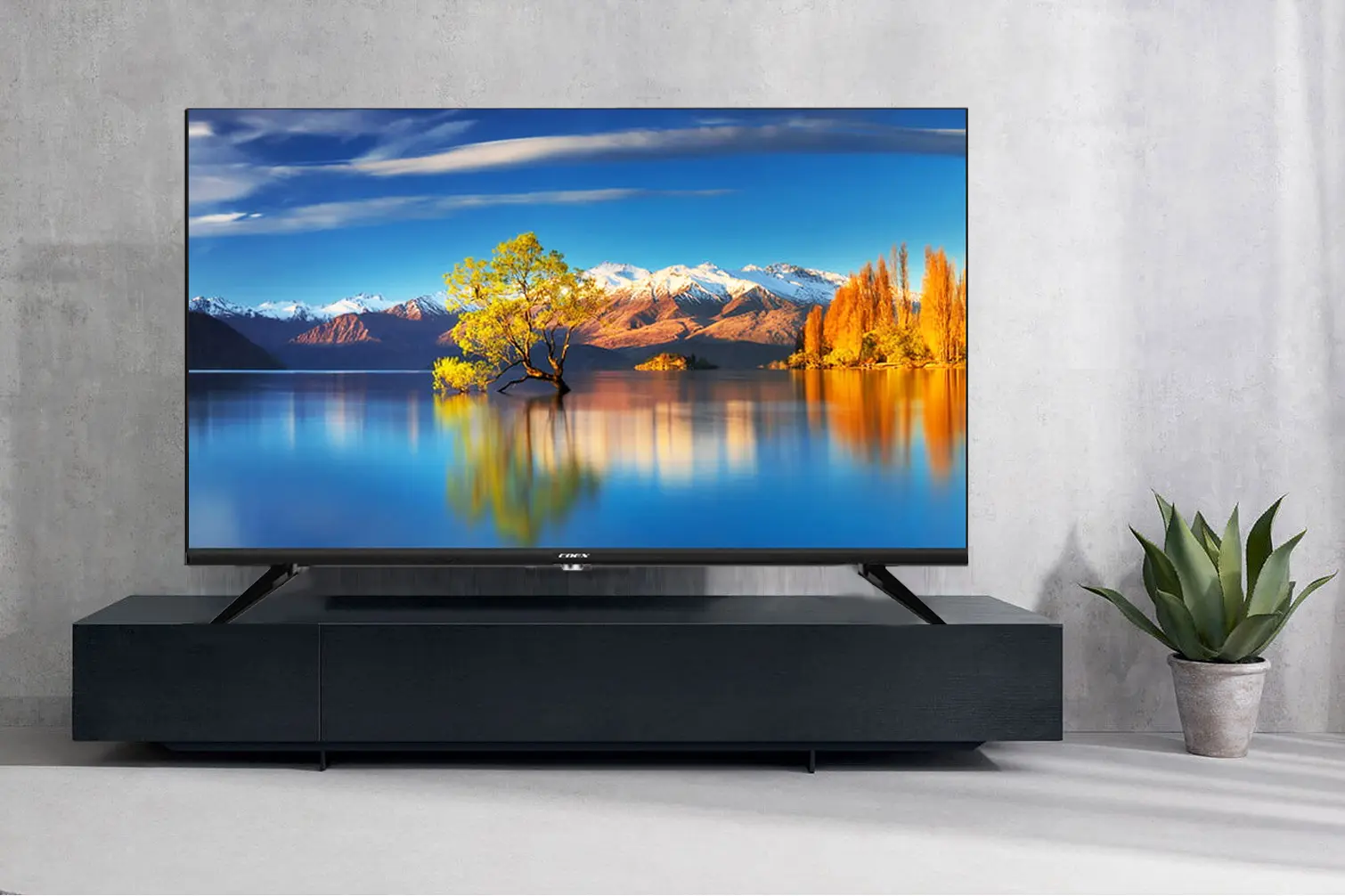
In the simplest terms, 8K resolution is the current king of ultra-high-definition video. It boasts a staggering 7680 x 4320 pixels, which adds up to over 33 million pixels in total. That’s four times the pixels of a 4K TV and a whopping sixteen times the pixels of a 1080p HD screen.
Think of it this way. Remember watching an old episode of The Sopranos on a modern 4K TV? It looks good, but you can tell it wasn’t filmed for that resolution. Now, imagine a show shot with 33 million pixels in mind. The idea is to create an image so dense with detail that it’s indistinguishable from reality, completely eliminating the visible pixel structure, or what we sometimes call the “screen door effect,” even on enormous screens.
The “Wow” Factor: Where 8K Truly Shines
Let’s not be cynical—when you see native 8K content on a high-quality 8K screen, it is genuinely breathtaking. The potential is undeniable, and there are a few areas where this technology flexes its muscles.
Unbelievable Clarity and Depth
The primary benefit of all those extra pixels is sharpness. On a large screen, the level of detail is almost three-dimensional. I saw a demo of Denis Villeneuve’s Dune on an 8K panel, and the textural detail was on another level. You could practically feel the grit of the sand on Arrakis and see the intricate weaving in the Bene Gesserit costumes. For cinephiles who want to see exactly what the director saw through the lens, 8K is the theoretical pinnacle.
The Big Screen Advantage
This is a critical point that often gets lost in the marketing. The benefits of 8K are exponentially more noticeable as screen size increases.
- Under 65 inches: Honestly, your eyes will struggle to perceive a significant difference between 4K and 8K from a normal viewing distance.
- 75 inches and above: This is where 8K starts to make a compelling case. The pixel density remains incredibly high, meaning you can sit closer to a giant screen without the image breaking down, creating a more immersive, theater-like experience in your living room.
The Magic of AI Upscaling
Manufacturers know that native 8K content is scarce (more on that in a moment). Their silver bullet is AI-powered upscaling. Modern 8K TVs have incredibly powerful processors that analyze 4K, 1080p, or even lower-resolution content and intelligently add pixels to fill the 8K screen. The results can be surprisingly impressive, making your existing Blu-ray collection and streaming favorites look sharper and cleaner than on a native 4K TV. But, and it’s a big but, it’s not the same as the real thing.
|
Our Picks for the Best Television in 2026
As an Amazon Associate, we earn from qualifying purchases.
|
||
| Num | Product | Action |
|---|---|---|
| 1 | Electric Spin Scrubber - Cordless Cleaning Brush with Digital Display, 2 Speeds, 8 Brush Heads, IPX7 Waterproof, Adjustable Long Handle for Bathroom, Tub, Tile, Shower, and Car |

|
The Elephant in the Room: The Case Against 8K in 2025
Okay, so the picture can be spectacular. But a TV is more than just a spec sheet. When we debate if an 8K TV is worth it in 2025, we have to look at the practical realities of owning one.
The Great Content Desert
This is, without a doubt, the single biggest argument against buying an 8K TV right now. Where is the native 8K content?
- Streaming Services: Netflix, Disney+, Max, Amazon Prime Video—none of them are streaming in 8K. They’ve invested heavily in their 4K HDR libraries, and the bandwidth required for 8K streaming is immense. A widespread shift is simply not on the horizon for 2025.
- Physical Media: There is no 8K Blu-ray format, and there are no plans for one. The 4K UHD Blu-ray is the premium physical format for the foreseeable future.
- Broadcast Television: We’re still in the process of transitioning to 4K broadcasting in many places. 8K broadcast is a distant dream.
The only real source for native 8K content right now is YouTube and some niche professional services. So you’re buying a Formula 1 car but have to drive it in city traffic.
Can Your Eyes Even Tell the Difference?
This might be a hard pill to swallow, but human visual acuity has its limits. The concept of “retina” resolution, where pixels become imperceptible to the eye, is dependent on screen size and viewing distance. For a 65-inch TV, you’d need to be sitting about 2.5 feet away to truly appreciate the full benefit of 8K over 4K. Most people sit much farther away from their TVs.
“We are chasing a level of detail that, for the vast majority of viewing setups, exists beyond the threshold of human perception. The real advancements are happening in contrast, color, and motion, not just raw pixel count.” – Dr. Alistair Finch, Media Technology Analyst
The Price Tag Still Stings
While prices have come down, 8K TVs still command a significant premium over their top-of-the-line 4K counterparts. For the price of a mid-range 8K TV, you can often get a flagship 4K OLED TV, which will almost certainly provide a better overall picture quality for 99% of the content you actually watch, thanks to its perfect blacks and superior contrast.
What About Gaming? Is an 8K TV Worth It in 2025 for Gamers?
This is a frequent question, especially with the PlayStation 5 and Xbox Series X both technically supporting 8K output. The short answer is no, not really. While the consoles can output an 8K signal, virtually no games actually render in native 8K. Developers are focusing their efforts on delivering stable 4K experiences at 60 or 120 frames per second. A high-end 4K TV with a 120Hz refresh rate and VRR (Variable Refresh Rate) is a far more practical and impactful investment for gaming in 2025.
The Televisionado Verdict: Who Should Buy an 8K TV in 2025?
So, we come back to the core question. After weighing the futuristic promise against the practical reality, here’s our breakdown.
- The Early Adopter & Tech Futurist: If you have the disposable income and you must have the absolute latest and greatest technology in your home, then go for it. You’re buying into the future, and you’ll enjoy the best upscaling on the market.
- The Home Cinema Purist (with a GIANT screen): If you are building a dedicated home theater with a screen that’s 80 inches or larger and you plan to sit relatively close, an 8K TV can provide a demonstrably sharper, more immersive image. For you, it might be a worthwhile luxury.
- The Average Streamer & TV Lover: For almost everyone else, the answer is a clear no. The money you would spend on an 8K TV is much better invested in a top-tier 4K OLED or Mini-LED QLED TV. You will get a far superior experience for the content you actually watch every day—from Succession to the Super Bowl. The improvements in contrast, black levels, and HDR brightness from a premium 4K set will be far more impactful than the extra pixels of a mid-range 8K set.
Frequently Asked Questions
Will 8K TVs eventually replace 4K TVs?
Eventually, yes, just as 4K is replacing 1080p. However, that transition is likely many years away from being mainstream, largely due to the content bottleneck. We are probably looking closer to the end of the decade before 8K becomes a standard consideration.
Do I need a special HDMI cable for an 8K TV?
Yes. To get a true 8K signal at 60 frames per second, you need an Ultra High-Speed HDMI 2.1 cable. These cables provide the necessary 48Gbps bandwidth that older HDMI standards lack.
Can I stream 8K content on Netflix or Disney+ in 2025?
No. As of now, there are no announcements from any major streaming platforms to support 8K streaming in 2025. Their focus remains on expanding and improving their 4K HDR offerings.
What is the minimum screen size where 8K makes a real difference?
Most experts agree that the benefits of 8K resolution really only become apparent on screens that are 75 inches or larger, viewed from a typical living room distance. On smaller screens, the difference is negligible for most people.
Is upscaled 4K content on an 8K TV as good as native 8K?
No, it is not. While modern AI upscaling is very impressive and can make 4K content look sharper and more detailed, it is an algorithmic interpretation. It cannot replicate the true detail and clarity captured by a native 8K recording.
Final Thoughts
The allure of 8K is powerful. It represents the cutting edge, the next frontier in our quest for perfect visual fidelity. But as television connoisseurs, we must be pragmatic. A great viewing experience is a symphony of technologies—resolution, contrast, color accuracy, motion handling, and, most importantly, the content itself.
So, when asking if an 8K TV is worth it in 2025, the answer for the vast majority of us is a patient ‘not yet.’ The technology is ahead of the ecosystem. My advice? Invest in the best 65 or 77-inch 4K OLED you can afford. Revel in its perfect blacks and stunning HDR highlights while watching the incredible library of content available today. The 8K revolution will come, but in 2025, it’s still a party that hasn’t quite started.
What are your thoughts? Are you an early adopter who has already made the leap? Or are you happily sticking with 4K? Let’s discuss in the comments below.